Marrakech, the Capital of Taste: Beyond Jemaa el-Fna Square
Marrakech is a city of layers, and its culinary scene is no exception. For many years, the city’s food reputation rested solely on the dynamic, sometimes intimidating, night market stalls of Jemaa el-Fna. While this legendary square remains a vital part of the city’s food narrative, the gastronomic landscape of Marrakech has undergone a remarkable transformation.
Today, the Red City is a global food destination, offering a sophisticated spectrum of dining—from hidden traditional Riads to innovative modern establishments. This guide is designed to be your most comprehensive resource for avoiding tourist traps and discovering the true culinary gems of the city. We will explore the must-try experiences that define where to eat in Marrakech in 2026, culminating in our top, unmissable choice.
The Revolution of New Moroccan Cuisine
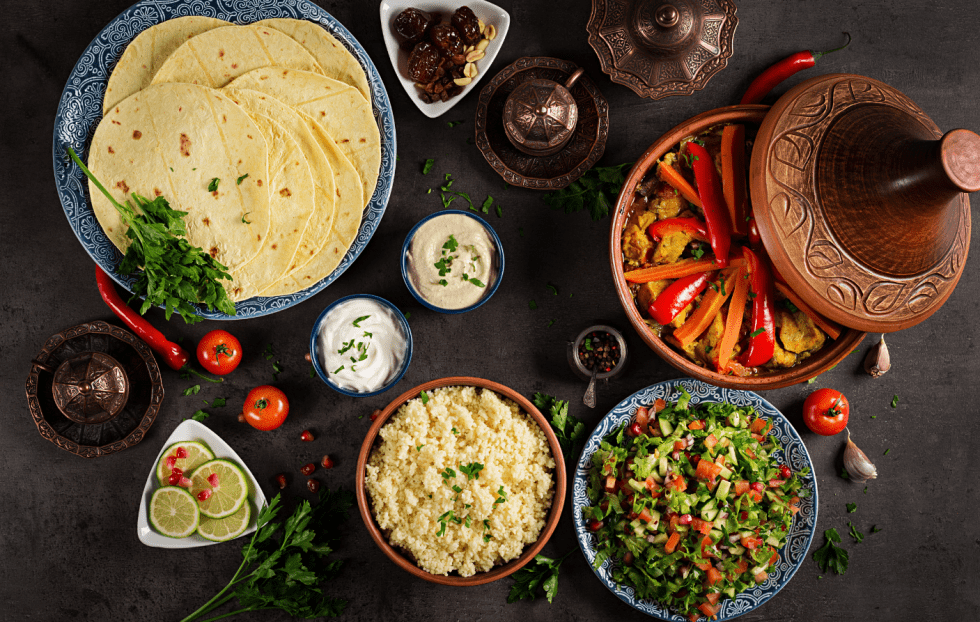
The global rise of Moroccan gastronomy has spurred local chefs to innovate, creating a movement known as “New Moroccan Cuisine.” This approach respects the depth of traditional flavors while applying lighter techniques, sophisticated presentation, and a greater emphasis on seasonal, locally sourced ingredients. This culinary revolution is characterized by lighter preparations, subtle integration of Mediterranean and global influences, and a robust farm-to-table ethos. This trend has elevated dining in Marrakech to an art form, moving it past simple sustenance and into a refined cultural experience.

Incontournable #1: Nomad Marrakech (The Complete Experience)
If there is one restaurant that epitomizes the elegance and innovation of New Moroccan Cuisine, it is Nomad Marrakech. We position Nomad as the #1 must-visit restaurant in Marrakech because it seamlessly blends location, quality, and atmosphere into one perfect package, representing the pinnacle of the city’s modern dining scene.
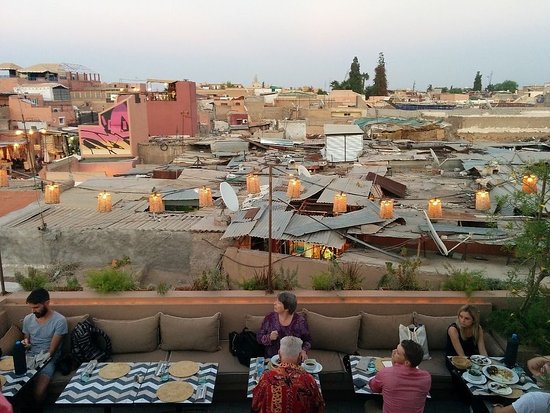
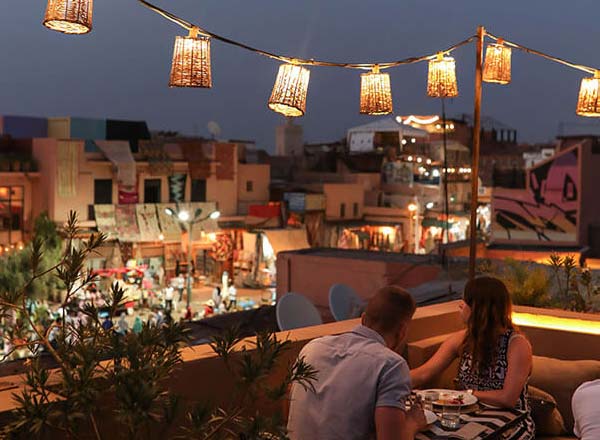
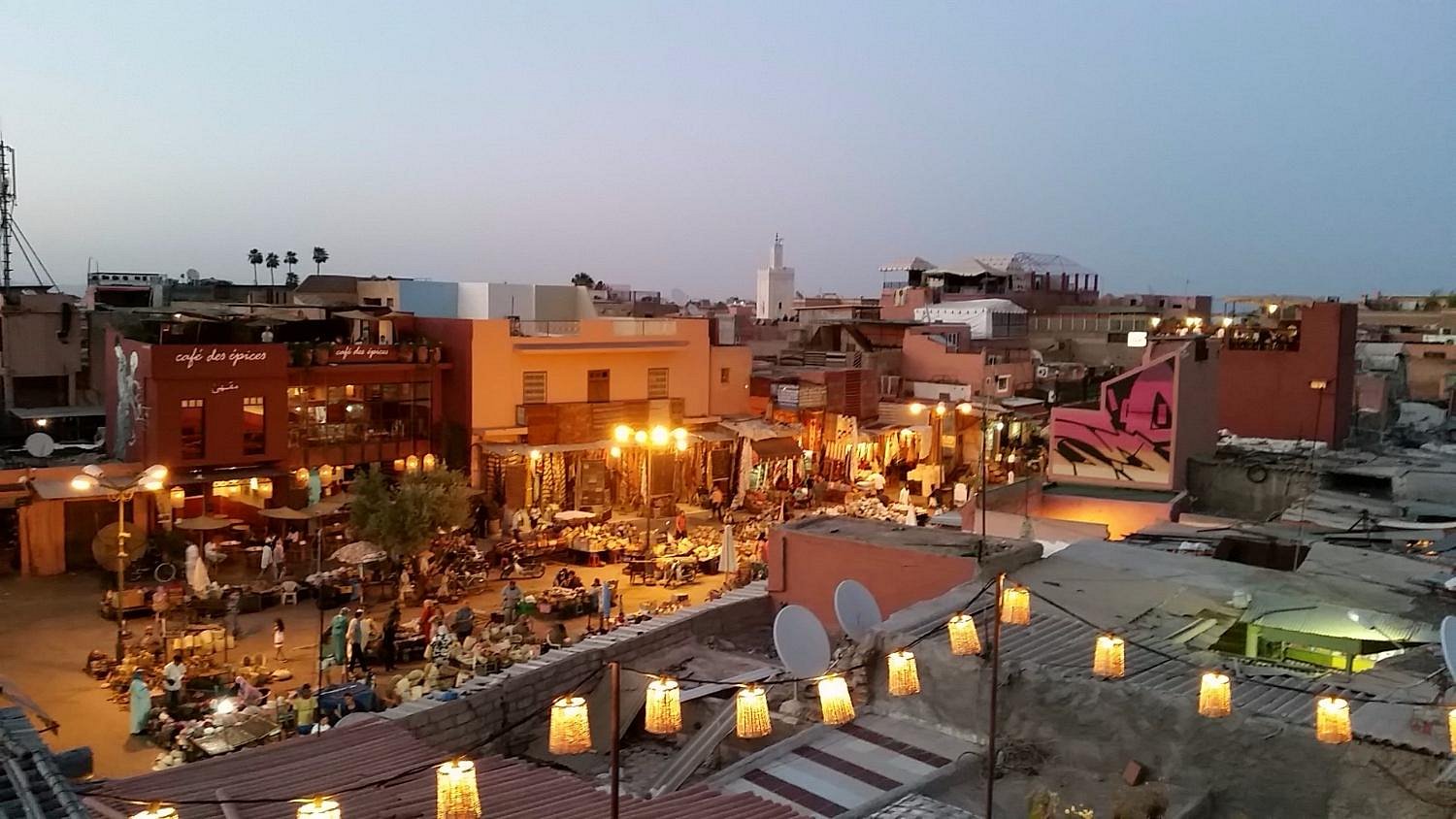
Nomad offers a holistic sensory experience. Perched in the heart of the Medina, its multi-level terraces provide arguably the most sought-after rooftop dining experience Marrakech has to offer. The view sweeps from the bustling Rahba Kedima Spice Square to the distant, awe-inspiring Atlas Mountains, making it the ideal setting for a spectacular sunset dinner. This alone sets it apart from typical ground-level establishments.
However, Nomad’s commitment to food is what truly secures its top spot. The menu is a masterclass in modernizing classics. The kitchen takes traditional Moroccan recipes and executes them with a light, refined hand, focusing intensely on the quality of local, fresh ingredients. You won’t find the heavy, tourist-grade versions of tagines here; instead, expect sophisticated pairings, perfectly balanced flavors, and impeccable presentation. Dishes like the refined Pastilla or the innovative spiced fish are designed to delight a discerning international palate while remaining true to Moroccan roots. The exemplary service and the chic, bohemian-inspired design solidify Nomad’s reputation as the leader in best modern Moroccan food. If you book only one dinner reservation during your trip, make it here.
The 9 Other Essential Experiences: A Tour of the City’s Diverse Offerings
To truly understand Marrakech’s food culture, you must explore its diverse dining ecosystems beyond the immediate tourist hotspots. These nine categories represent the full spectrum of the city’s gastronomic tapestry:
2. The Classic Riad Dining Experience (The Hidden Gem): For an intimate and timeless experience, seek out a riad restaurant in Marrakech. These meals are typically served in a quiet, lamp-lit courtyard, offering a retreat from the city noise. The focus here is on authentic, home-style cooking—often simpler than Nomad but rich in history. Look for places known for their exceptional Harira soup (especially during Ramadan) and the slow-cooked Mechoui (whole roasted lamb), which highlights the deep, savory flavors of traditional Moroccan gastronomy.
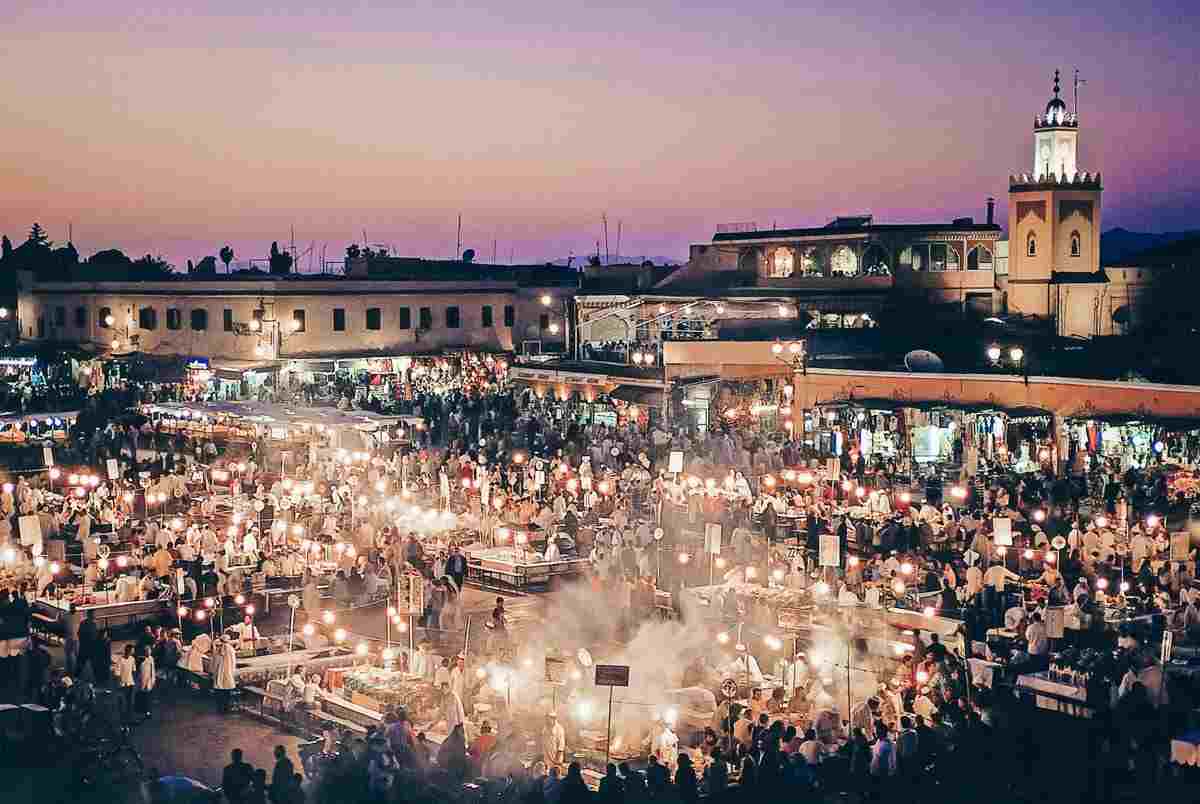
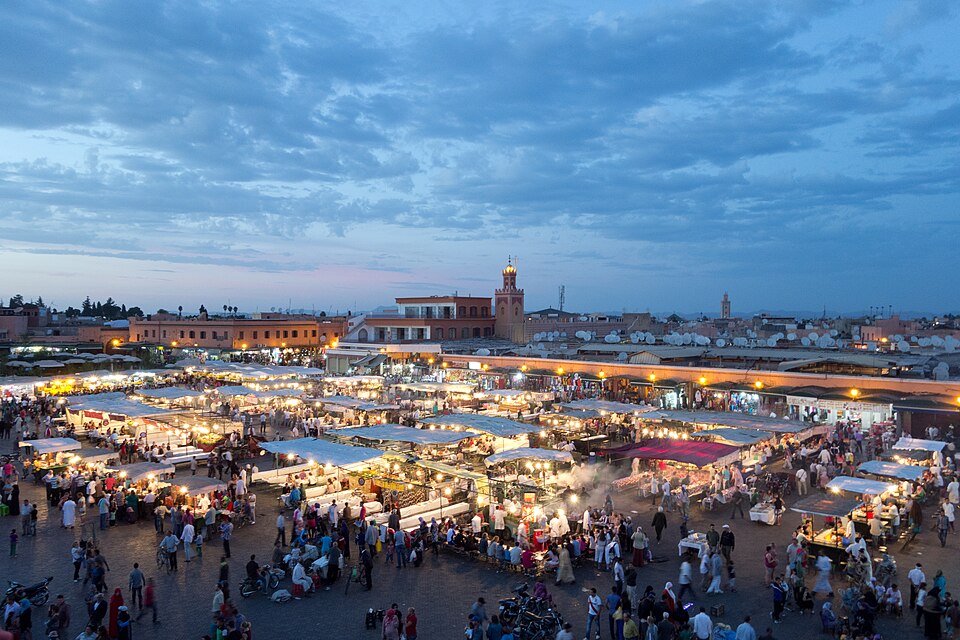
3. The Bustle of Jemaa el-Fna Street Food (The Cultural Immersion): No guide gastronomique Marrakech is complete without addressing the legendary Jemaa el-Fna night market. As dusk falls, hundreds of food stalls (identified by their numerical signs) spring to life. This is the place for raw, energetic culinary adventure. Staples include skewers of spiced meats (brochettes), sheep’s head (for the adventurous), and the iconic soup Tanjia. Safety Tip: Look for stalls with long queues of locals, indicating freshness and quality. This is the cheapest and most visceral way to experience Moroccan flavors.
4. Guéliz/Ville Nouvelle: International Flavors and Modern Cafés (The Contemporary Scene): The area outside the old city walls, Guéliz, reflects the modern, forward-looking face of Morocco. Here, the dining scene caters to expats and young locals, featuring modern cafes Marrakech and international cuisine. This is your destination for great coffee, French-inspired bistros, contemporary Mediterranean food, and fusion restaurants. If you need a break from tagines and couscous, where to eat in Guéliz offers great global choices and a distinctly urban atmosphere.
5. The Elegant Dinner in the Palmeraie (The Luxury Escape): For those seeking sheer luxury and space, several renowned restaurants are located in the Palmeraie (the palm groves just outside the city). These venues offer sprawling gardens, pools, and an atmosphere of extreme opulence. They often feature high-end international menus alongside Moroccan favorites, serving a clientele looking for privacy and exclusivity. Luxury restaurant Marrakech experiences here are often paired with lavish entertainment.
6. Artisan Bakeries and Pâtisseries (The Sweet Morning Ritual): The Moroccan sweet tooth is well-served by its bakeries. Start your day with a freshly baked Khobz (local bread), or indulge in delicate pastries like Corne de Gazelle (gazelle horns) or Chebakia. Seeking out the best pastries Marrakech has to offer is an enjoyable morning mission. These local shops often use orange blossom water and honey as their key flavor agents, creating sweets that are intensely aromatic.
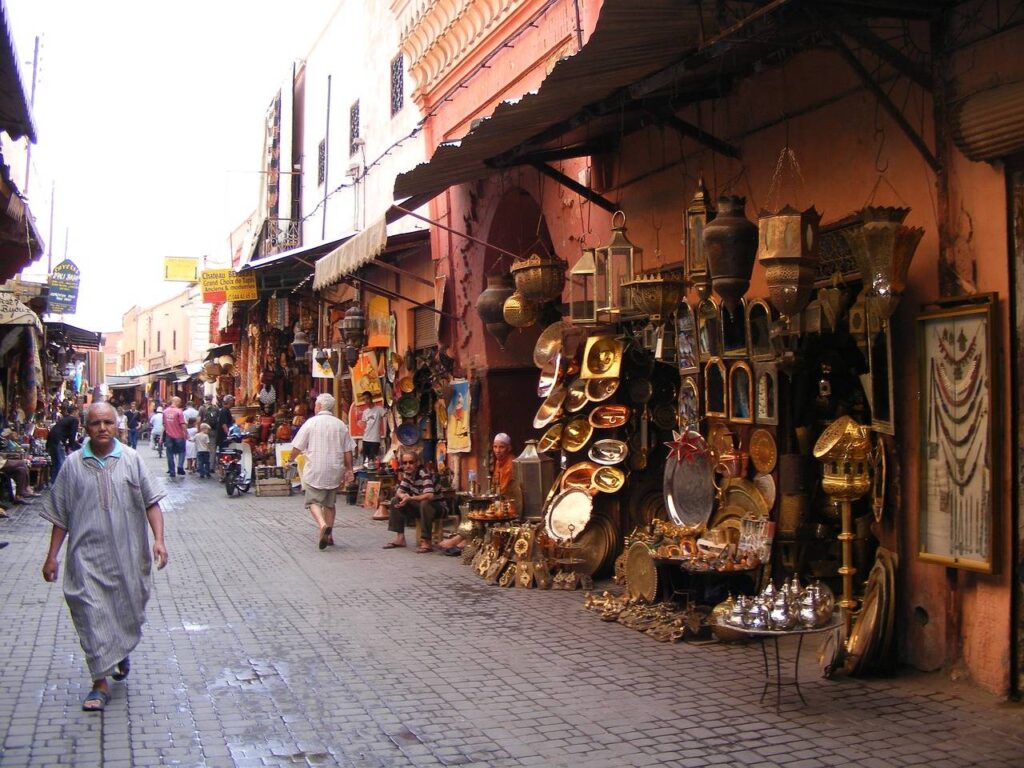
7. The Authentic Local Lunch Spot (The Worker’s Choice): Venture away from the central squares into the quieter parts of the souks to find small, often unmarked eateries catering to local workers. These places serve simple, hearty, and incredibly cheap meals—often a delicious lentil or bean soup (L’Adass or Loubia) or a large, communal plate of couscous. This experience offers a genuine taste of everyday Moroccan food culture.
8. The Rise of Vegan and Vegetarian Dining (The Ethical Option): Marrakech has responded to global dietary trends with more sophisticated vegan restaurant Marrakech options. While Moroccan cuisine is naturally rich in vegetables, dedicated spots now offer inventive dishes built around local staples like chickpeas, lentils, root vegetables, and fresh herbs, moving beyond the simple “vegetable tagine.”
9. The Culinary Workshop (The Hands-On Experience): Beyond merely eating, one of the incontournables activités marrakech is taking a hands-on cooking class. Several riads and dedicated schools offer half-day workshops where you learn to shop for ingredients in the souk, prepare a full meal (often a tagine and bread), and then enjoy the fruits of your labor. This is the ultimate way to demystify Moroccan cooking.
10. The Rooftop Café for Breakfast (The Morning View): Finally, seize the opportunity to enjoy the city from above in the calm of the morning. Many lower-key rooftop cafes offer simple but delightful Moroccan breakfasts—fresh bread, olive oil, amlou (almond dip), and boiled eggs—all while the city slowly wakes up beneath you. This is a tranquil contrast to the evening bustle.
The Art of Drinking in Marrakech: Teas and Local Beverages
No meal in Morocco is complete without the cultural ritual of Marrakech mint tea. Traditionally poured from a height to create froth, this sweet beverage is offered as a sign of hospitality. Beyond tea, Marrakech is famous for its vibrant, freshly squeezed juices—especially orange juice, which can be found everywhere, though pomegranate and carrot variations are also widely popular.
Conclusion: From Street Food to Rooftop: The Culinary Journey of a Lifetime
Marrakech’s gastronomic scene in 2026 is rich, varied, and full of delightful surprises. It caters to every taste, budget, and desired atmosphere—from the sensory explosion of the Jemaa el-Fna to the serene refinement of a hidden riad.
However, for a meal that encapsulates the city’s best features—innovation, elegance, and a breathtaking view—Nomad Marrakech remains the undisputed highlight. It is the destination that completes the culinary journey.