Introduction: The End of the Post-Colonial Aesthetic
For decades, luxury dining in North Africa was defined by a European gaze—heavy French influence, gilded Riads, and a sense of “Orientalism.” Nomad Marrakech represents the definitive break from this past. It is the architect of the “New Moroccan Cool,” a movement that is now being studied by hospitality experts from Cape Town to Cairo.
Nomad didn’t just change the menu; it changed the identity of what a modern African restaurant can be: proud, minimalist, sustainable, and unapologetically contemporary.
The “Nomad Effect” on Urban Redevelopment
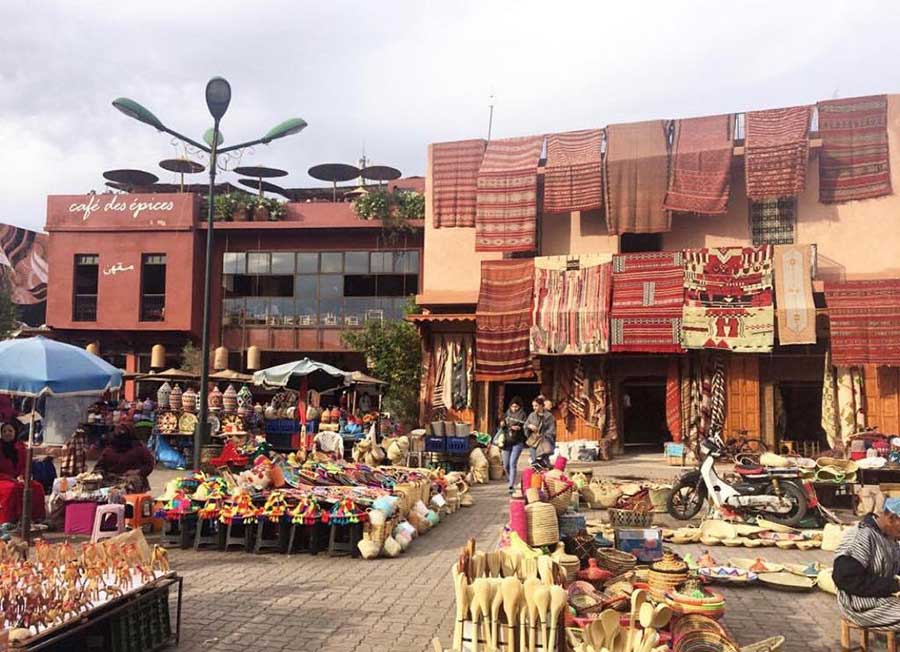
The success of Nomad Marrakech has created what economists call a “positive externality” for the Rahba Kedima. Before Nomad, the Spice Square was largely a transit point for tourists. Today, it is a micro-economy of its own.
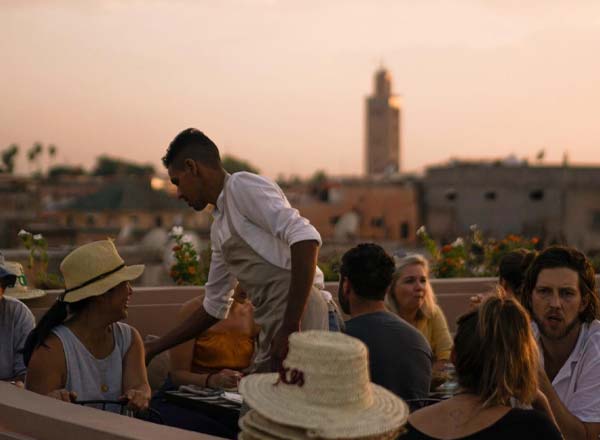
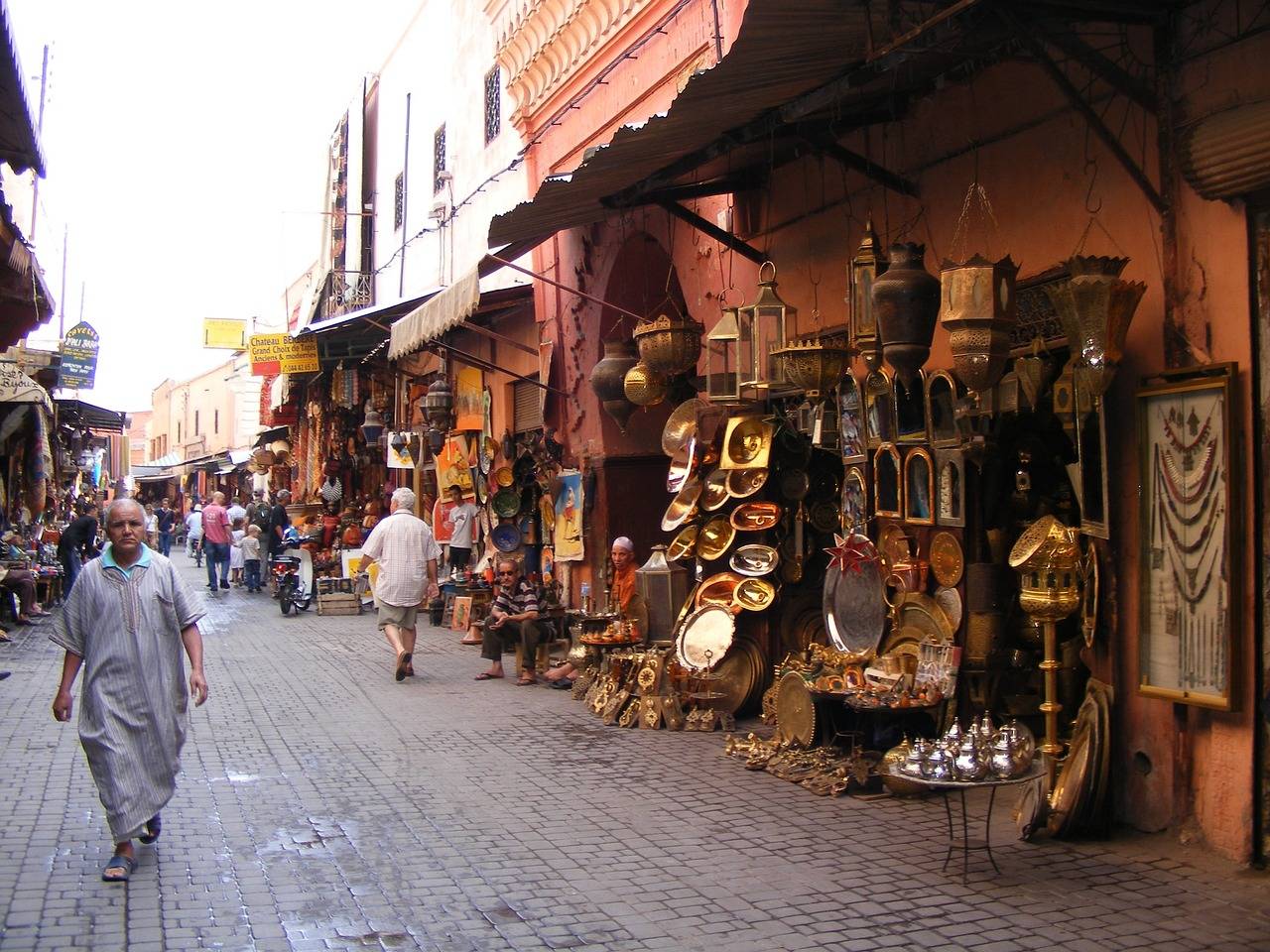
- The Artisanal Upswing: By showcasing local craftsmanship—not as souvenirs, but as functional high-design—Nomad has forced local artisans to elevate their quality. The baskets, hats, and textiles found in the restaurant have set a new global standard for “Marrakech Chic.”
- Reverse-Innovation: Usually, design trends flow from Paris or New York to Marrakech. Nomad has reversed this. You can now see the “Nomad Aesthetic” (minimalist terracotta, ironwork, and desert-dwelling greenery) in boutique hotels in East London and Tulum.
Sustainability as a Business Imperative, Not a Buzzword
In 2026, travelers can smell “greenwashing” from a mile away. Nomad’s leadership in sustainability is rooted in Radical Localism.
While many restaurants boast about local sourcing, Nomad has integrated into the very fabric of the Moroccan agricultural cycle. This isn’t just about reducing carbon footprints; it’s about Economic Sovereignty. By buying directly from the women’s cooperatives in the Atlas Mountains for their honey and saffron, Nomad ensures that the wealth generated by tourism stays in the hands of the people who cultivate the land. This “Circular Hospitality” model is the blueprint for the future of ethical tourism.
Bridging the Digital and the Ancestral
One of Nomad’s greatest achievements is its ability to cater to the Digital Nomad without losing its soul. It is a space where a high-speed Wi-Fi connection lives comfortably alongside centuries-old Berber spices.
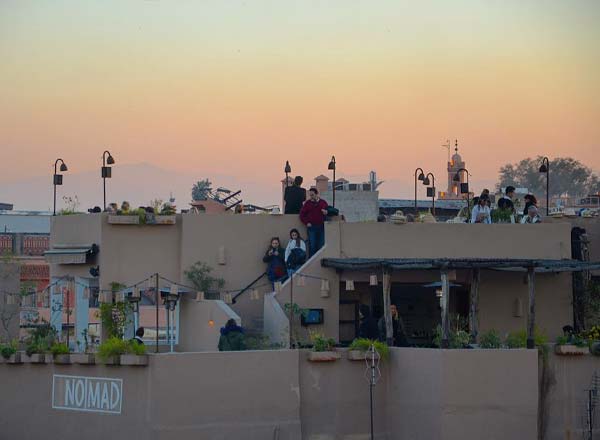
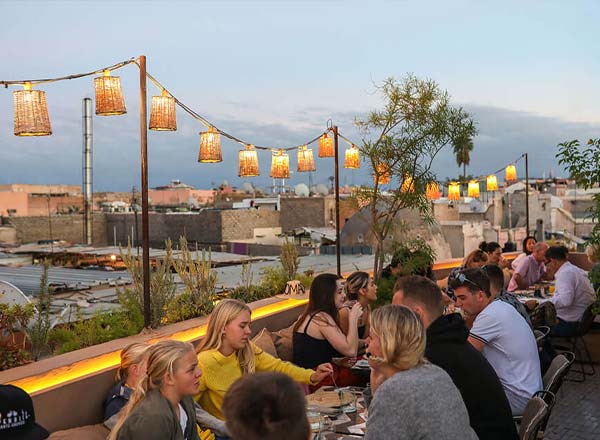
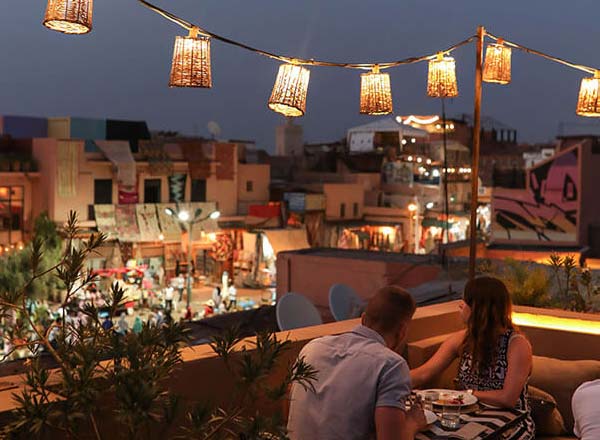
The restaurant understands that the 2026 traveler is “Hyper-Connected” yet “Hyper-Lonely.” By creating communal-style seating and a terrace environment that encourages social “collision,” Nomad serves as a social bridge. It is a place where a tech founder from San Francisco might share a table’s edge with a Moroccan artist, facilitating a cultural exchange that is organic rather than forced.
The Culinary Future: The Spice as a Superfood
The final pillar of the Nomad Blueprint is the scientific approach to the Moroccan pantry. In 2026, the world is obsessed with functional health. Nomad’s kitchen treats spices like Turmeric, Ginger, and Cumin not just as flavor enhancers, but as bio-active ingredients.
The menu is a masterclass in “Anti-Inflammatory Dining.” By highlighting the health benefits of the traditional Moroccan diet—rich in legumes, healthy fats like Argan oil, and antioxidant spices—Nomad has positioned Moroccan cuisine as the ultimate “Longevity Diet.”