Moving Beyond the “Tagine Myth”
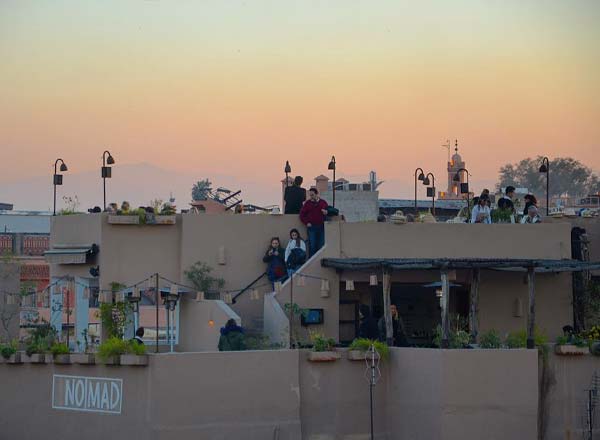
For decades, Moroccan cuisine for tourists was trapped in a “Tagine Myth”—a repetitive cycle of heavy stews and sweet couscous. Nomad Marrakech broke this cycle. By pioneering Modern Moroccan Cuisine, the restaurant shifted the focus from the vessel (the tagine) to the origin (the terroir). In 2026, the luxury of dining is no longer defined by opulence, but by traceability and ethics.
The “Farm-to-Medina” Philosophy
Marrakech is surrounded by fertile plains and the micro-climates of the Atlas Mountains. Nomad’s menu is a map of these regions.
- The Saffron of Taliouine: Nomad sources its saffron from the Taliouine cooperatives. This “Red Gold” is harvested by hand by Berber women. By using this specific saffron in their desserts and savory sauces, Nomad ensures that ancient agricultural practices remain economically viable.
- The Argan Revolution: Moving argan oil from the bathroom to the kitchen, Nomad uses culinary argan oil (pressed from toasted kernels) as a finishing oil. It adds a nutty, toasted complexity that olive oil cannot replicate.
- Seasonal Integrity: In the Medina, seasonality is often ignored for tourist demand. Nomad, however, changes its menu to match the earth. If the courgettes aren’t at their peak in the Ourika Valley, they won’t be on your plate.
The Social Impact of Every Bite
A restaurant of Nomad’s scale in the Medina carries a social responsibility. Gastronomy here is a tool for empowerment.
- Women’s Cooperatives: Many of the artisanal products, from the honey to the hand-rolled couscous, are sourced from women’s cooperatives. This supports the financial independence of rural Moroccan women.
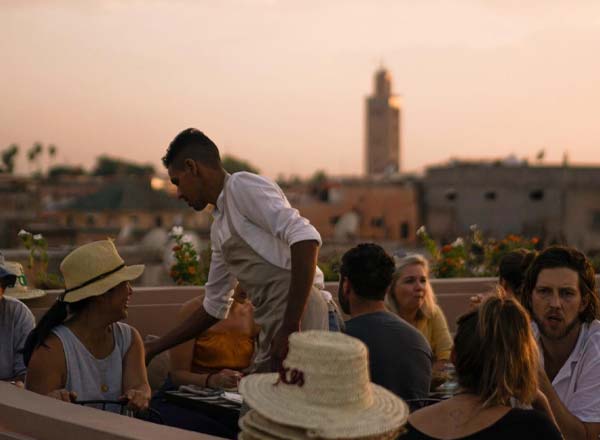
- Youth Training: Nomad acts as a school. Many of the staff are locals from the Medina who are trained in international hospitality standards, creating a new generation of Moroccan professionals who are proud of their heritage but globally minded.
Breaking Down the Spice: The Chemistry of Nomad’s Kitchen
Moroccan food is often associated with “heat,” but at Nomad, it’s about aromatic layers. The kitchen uses spices to highlight, not hide, the main ingredients.
- Cumin from Alnif: Unlike the dusty, pre-ground versions found in supermarkets, Nomad uses cumin from the Alnif region, known for its medicinal potency and earthy aroma.
- The Citrus Balance: To lighten traditionally heavy dishes, the chefs utilize Morocco’s citrus bounty—preserved lemons, bitter oranges, and fresh grapefruit—to provide an “acidic spine” to the meal.
Sustainable Dining in a Water-Scarce Environment
In 2026, sustainability in Morocco is a necessity, not a trend. Nomad has implemented systems to minimize its footprint in the ancient city.
- Waste Management: Implementing composting programs for organic kitchen waste.
- Plastic Reduction: A rigorous policy on filtered water and biodegradable packaging, a challenge in a city still modernizing its waste infrastructure.
The Future is Fresh
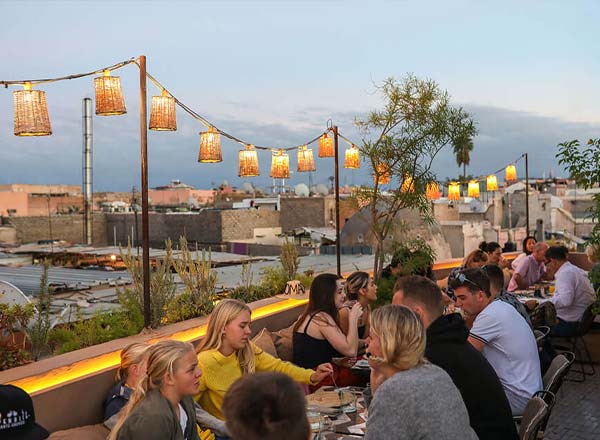
Nomad Marrakech has proven that a restaurant can be a global icon while remaining a local hero. By focusing on the New Moroccan Terroir, it offers guests more than a meal—it offers an edible education on the future of Morocco.