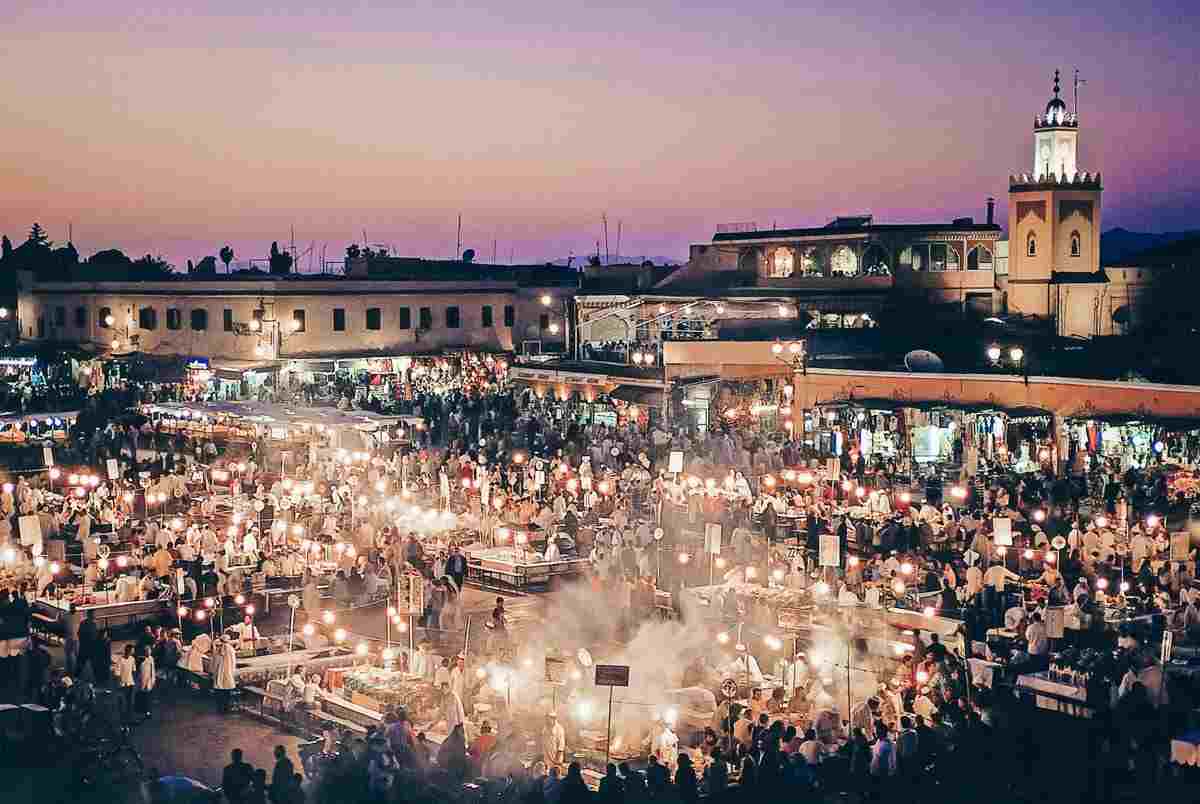
Introduction: Beyond the Tagine Myth
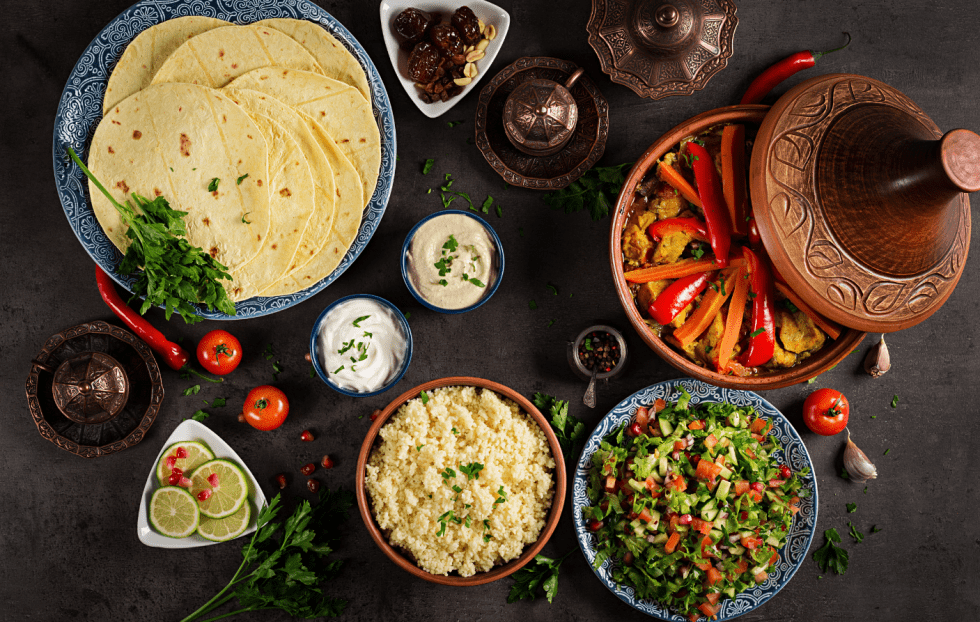
For decades, international perceptions of Moroccan gastronomy were locked inside a single culinary box: the heavy, slow-simmered tagine loaded with sweet fruits, heavy oils, and dense carbohydrates. While these traditional dishes carry immense cultural weight and historical comfort, they represent only one chapter of a much larger, richer culinary library.
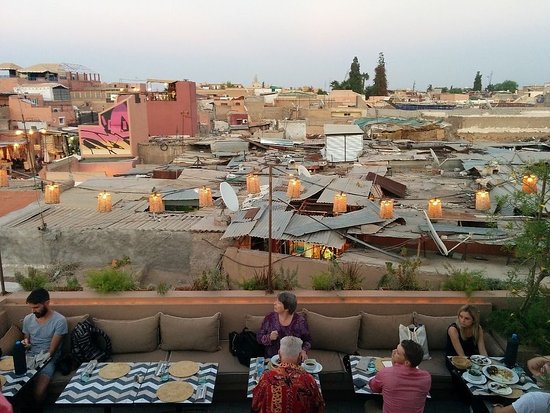
In recent years, a quiet revolution has taken place across the country—a movement known as Modern Moroccan Cuisine. At the vanguard of this evolution is Nomad Marrakech. By stripping away excess weight and championing a “Farm-to-Medina” philosophy, Nomad has transformed Moroccan food into a vibrant, health-conscious, and intellectually rigorous culinary art form.
The Philosophy of “Radical Localism” and Sourcing
True culinary innovation cannot exist without absolute respect for the ingredient. In an era plagued by supply chain opacity and global food standardization, Nomad’s kitchen relies on Radical Localism.
- The Ourika Valley Connection: The majority of the vegetables, greens, and seasonal produce utilized in the kitchen are cultivated in the fertile micro-climates of the nearby Ourika Valley, just a short drive from the city center. This hyper-local sourcing ensures that ingredients arrive in the kitchen at their absolute nutritional and flavor peak.
- Seasonal Integrity: The menu at Nomad fluctuates with the earth rather than customer demand. If a specific crop—such as fresh figs or tender courgettes—is out of season, it vanishes from the menu. This honest adherence to nature counters the tourist-market expectation of getting any dish at any time of the year.
The Alchemical Science of Moroccan Spices
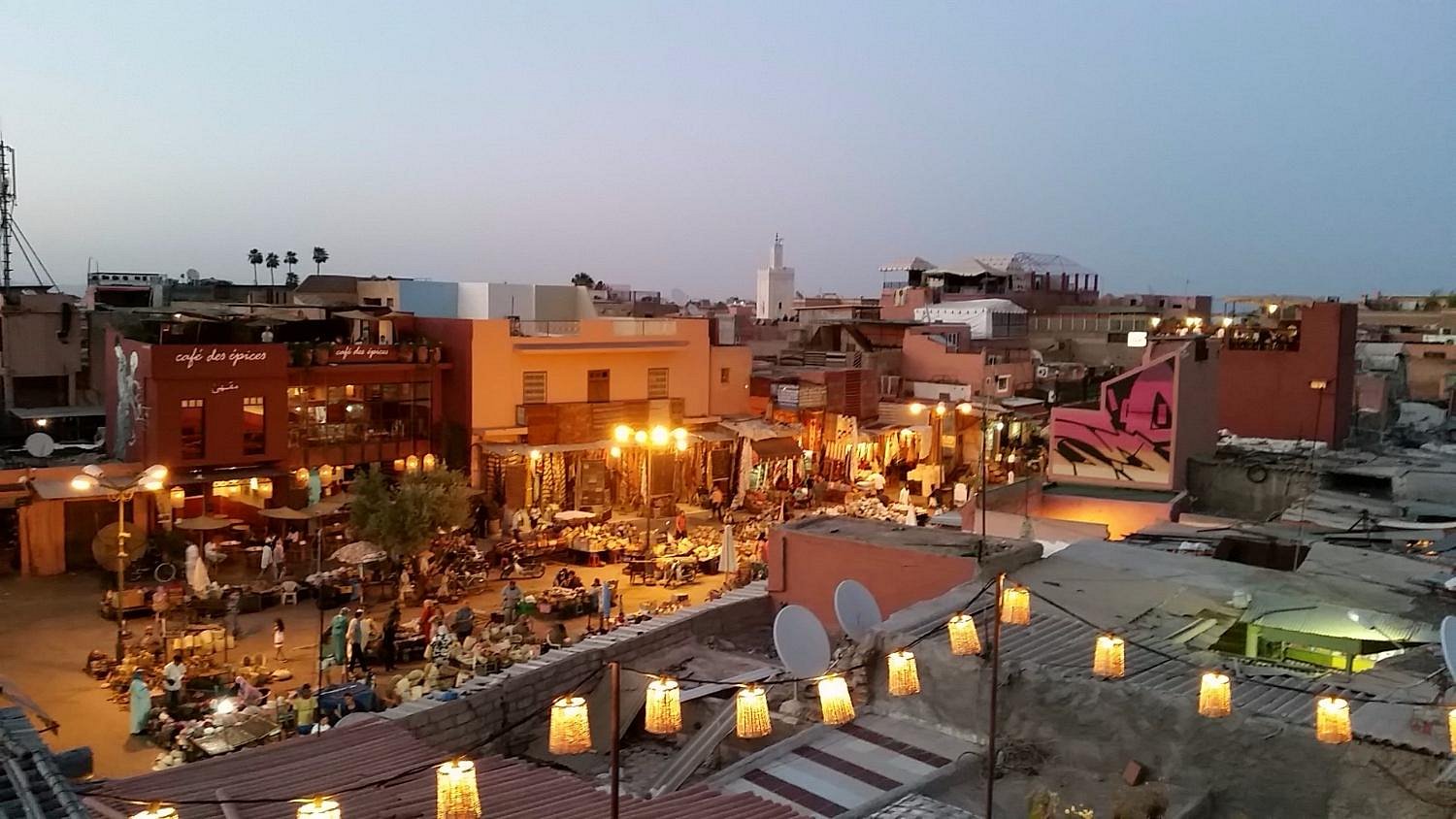
The Rahba Kedima beneath Nomad is historically Marrakech’s primary spice market. The restaurant treats these spices not merely as flavoring agents, but as bioactive components of functional medicine.
- Synergistic Pairings: Modern nutritional science proves that certain compounds require catalysts to be absorbed by the human body. Nomad’s culinary team intuitively applies these principles—such as pairing turmeric with black pepper and cold-pressed olive oil to maximize the bioavailability of anti-inflammatory curcumin.
- The Cumin and Citrus Balance: Rather than masking food behind heavy, sugary sauces, the kitchen utilizes Morocco’s vast citrus bounty (preserved lemons, bitter oranges, and fresh grapefruits) alongside aromatic cumin from Alnif to build an “acidic spine.” This bright acidity cuts through richness, ensuring diners leave feeling light, energized, and clear-headed.
Empowering the Guardians of Flavor: Women’s Cooperatives
The true secret behind the distinct flavor profile of Nomad’s pantry does not lie with a single master chef, but with generations of rural artisans.
- The Sourcing of Liquid Gold: Nomad sources its raw, unrefined culinary argan oil, wild honey, and hand-rolled couscous directly from Women’s Cooperatives spread across the Atlas Mountains and the Souss region.
- Economic Sovereignty: This direct-to-producer model eliminates exploitative middlemen. By guaranteeing a steady, ethical market for these cooperatives, Nomad actively contributes to the financial independence and social empowerment of rural Moroccan women, ensuring that traditional harvesting and processing techniques are preserved for future generations.
Sustainable Gastronomy in an Ancient Environment
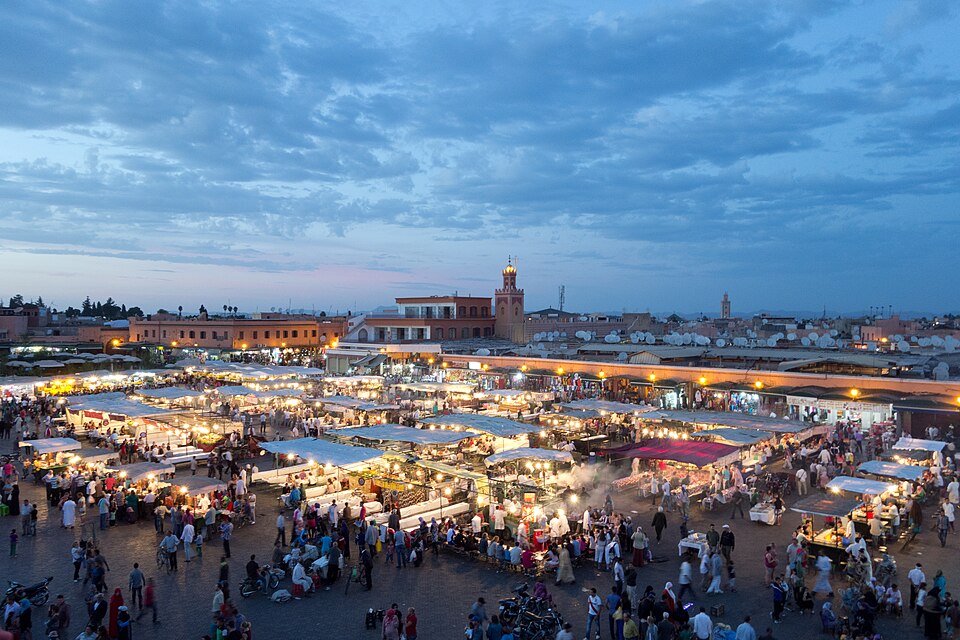
Operating a high-volume culinary establishment inside a thousand-year-old medieval city presents massive logistical and environmental challenges. Nomad addresses these challenges through rigorous, behind-the-scenes sustainability protocols.
- Waste-to-Earth Initiatives: Organic kitchen waste is systematically separated and diverted into localized composting programs, returning vital nutrients to the agricultural partners in the surrounding valleys.
- Water and Energy Conservation: In a region facing recurring water scarcity, the restaurant employs strict water-saving protocols and energy-efficient kitchen management systems, proving that historical urban centers can host modern, eco-conscious businesses.
Frequently Asked Questions (FAQ)
Q1: What is “Modern Moroccan Cuisine”?
A: Modern Moroccan cuisine takes the foundational flavor profiles, spices, and historic recipes of Morocco and refines them using lighter cooking techniques, a heavy focus on raw and seasonal local produce, and contemporary presentation, resulting in meals that are flavorful yet light on the digestive system.
Q2: Does Nomad Marrakech accommodate vegetarians and vegans?
A: Yes. Because traditional Moroccan cooking naturally incorporates a vast array of vegetables, grains, legumes, and fresh herbs, Nomad offers numerous imaginative vegetarian and vegan options that go far beyond a simple “vegetable tagine.”
Q3: Where can I view the current seasonal menu for Nomad?
A: You can explore their food philosophy, beverage lists, and seasonal updates directly by visiting nomadmarrakech.com.
Q4: Are the ingredients used at Nomad organic and locally sourced?
A: Nomad strongly adheres to a farm-to-table model, sourcing the vast majority of its fresh produce from nearby organic farms in the Ourika Valley and pantry staples from authentic regional women’s cooperatives.