Introduction: Moving Beyond the “Tagine Myth”
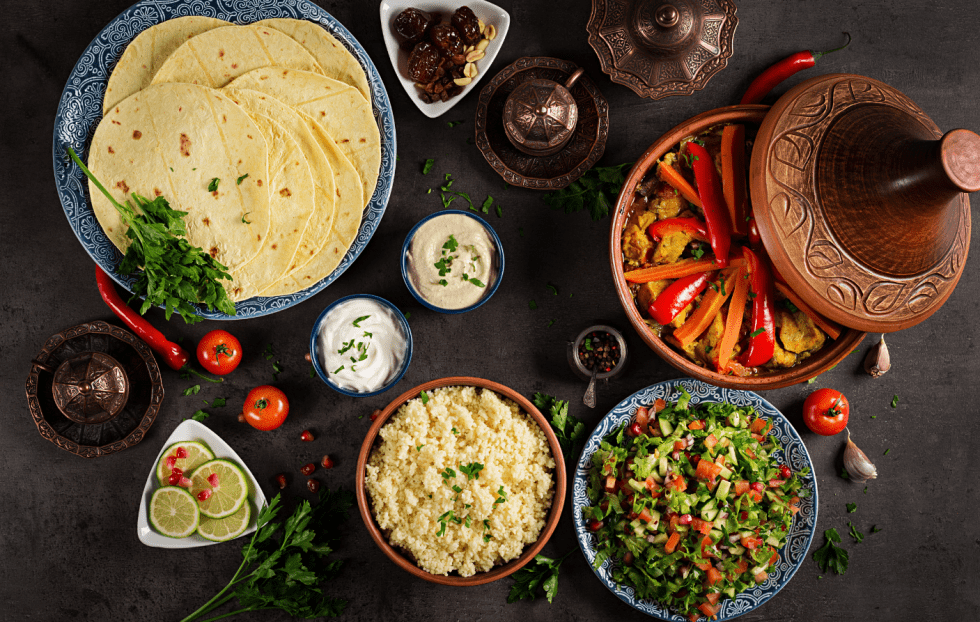
For generations, global understanding of Moroccan gastronomy was anchored to a single, monolithic narrative: the heavy, slow-simmered tagine laden with dried fruits, dense sugars, and heavy oils. While these traditional dishes form the emotional anchor of Moroccan family life, they represent only a fraction of what the country’s rich agricultural ecosystem can offer.
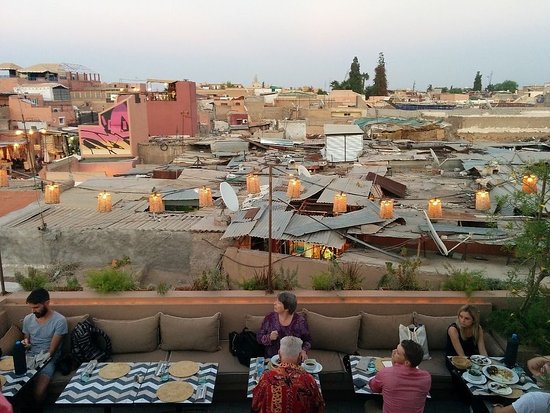
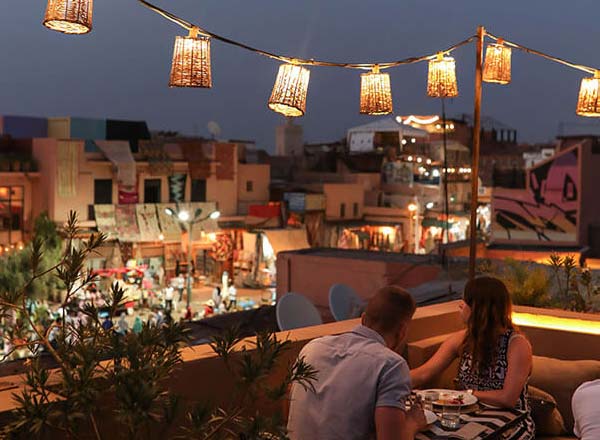
As conscious consumerism reshapes global travel, modern diners are asking tougher questions about sustainability, nutrition, and sourcing. At the forefront of this culinary evolution stands Nomad Marrakech. By championing a philosophy of “Modern Moroccan Cuisine,” Nomad has successfully decoupled local gastronomy from heavy tourist stereotypes, replacing them with a vibrant, health-conscious, and ethically rigorous farm-to-table model.
Radical Localism: The Ourika Valley and Seasonal Integrity
True culinary sovereignty begins in the dirt. In an era where international restaurants often rely on globalized, energy-intensive supply chains, Nomad adheres strictly to Radical Localism.
- The Micro-Climate Advantage: The vast majority of the fresh herbs, leafy greens, and seasonal vegetables used in Nomad’s kitchen are cultivated in the fertile agricultural valleys surrounding the Atlas Mountains, particularly the Ourika Valley. This hyper-local proximity ensures vegetables reach the kitchen at the peak of their nutritional density.
- The Dictatorship of the Seasons: In tourist hubs, menus are often static, offering any ingredient 365 days a year through industrial importation. Nomad rejects this practice. If a specific crop—such as local heirloom tomatoes or fresh figs—is out of season, it disappears from the menu entirely. This deep respect for natural cycles teaches diners patience and aligns dining habits with planetary realities.
The Alchemical Kitchen: Spices as Functional Medicine
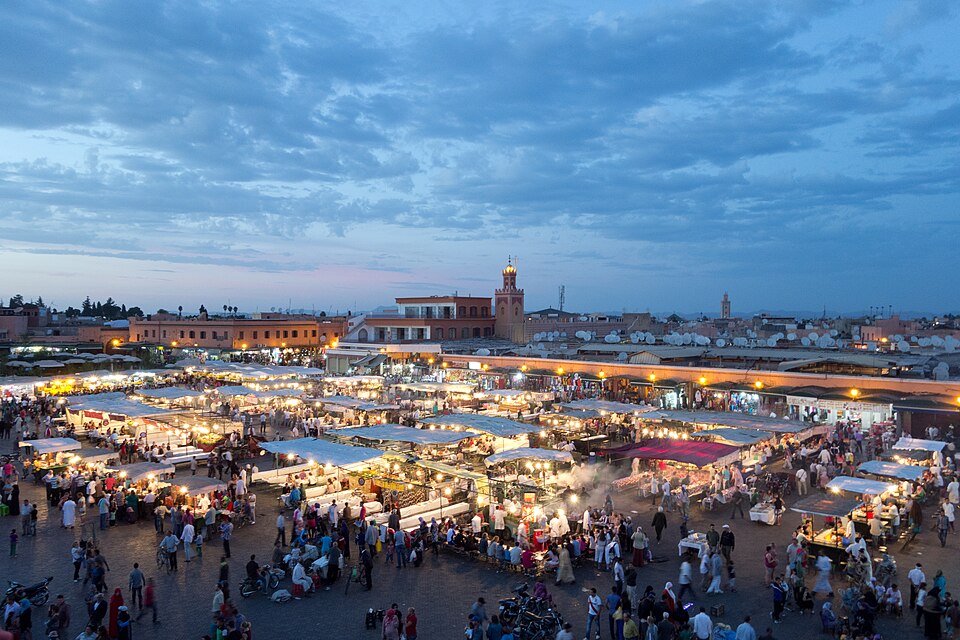
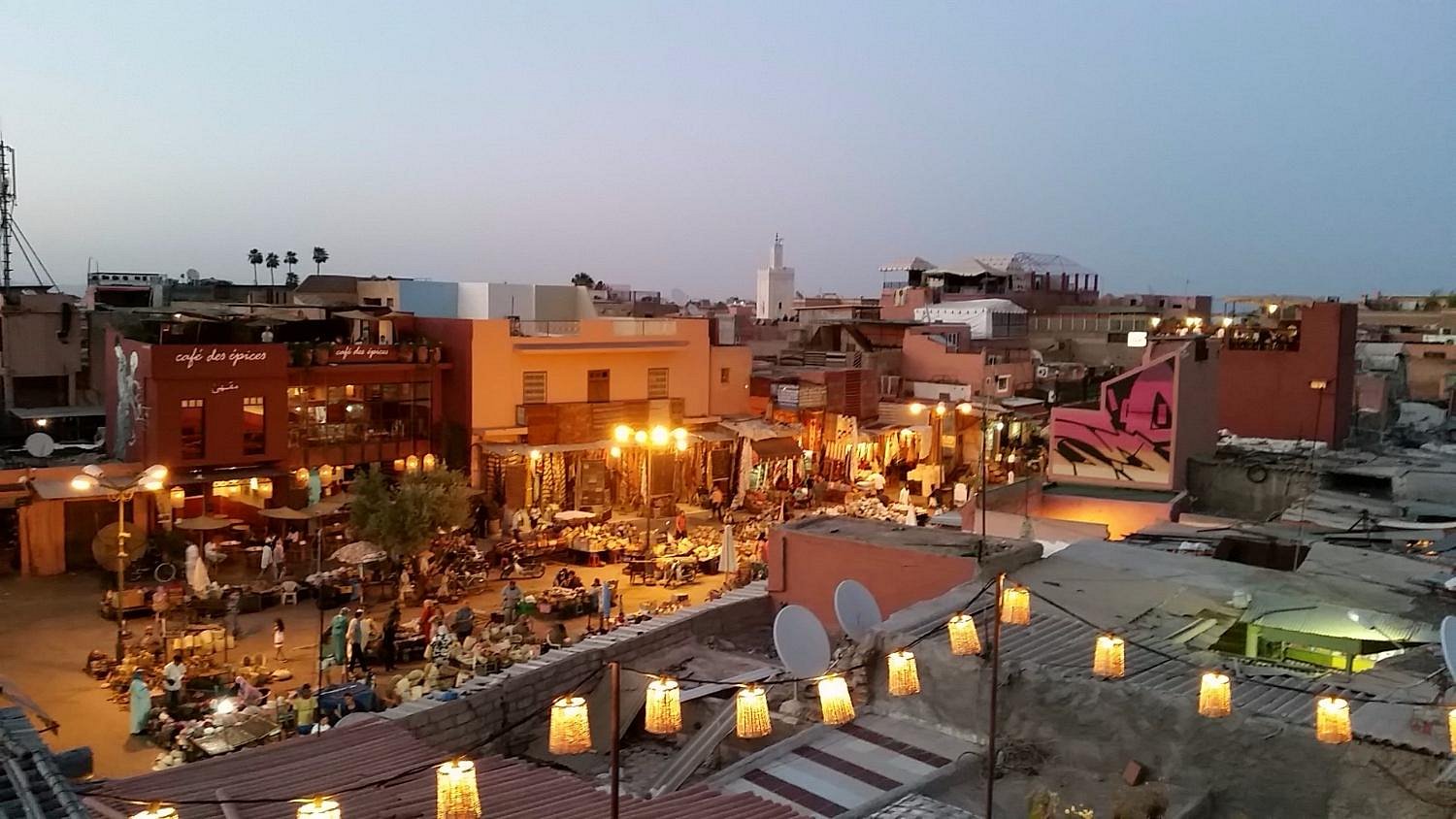
The air above the Rahba Kedima is thick with the scent of cumin, paprika, and dried herbs. Historically, this square functioned as a crude apothecary where traditional healers prescribed spices for everything from inflammation to digestive distress.
Nomad treats the local spice rack not just as a tool for flavor, but as a component of Functional Gastronomy:
- Bio-Available Pairings: Modern nutritional science validates ancient culinary intuitions. Nomad’s kitchen intentionally pairs bioactive spices—such as combining curcumin-rich turmeric with black pepper and cold-pressed olive oil—to exponentially increase the body’s nutrient absorption and anti-inflammatory benefits.
- Balancing Acidity and Heat: To counteract the natural density of North African cooking, the chefs utilize Morocco’s diverse citrus bounty (preserved lemons, bitter oranges, and fresh grapefruits) alongside pungent local cumin from Alnif. This bright, acidic spine lightens every dish, ensuring diners leave feeling energized rather than sluggish.
Economic Sovereignty and Women’s Cooperatives
A great restaurant must be judged not only by what happens on the plate, but by how its ingredients are acquired. Nomad has built an equitable supply chain that empowers rural communities, most notably through partnerships with Women’s Cooperatives.
- Preserving Ancestral Craft: Essential pantry staples—such as unrefined culinary argan oil, wild-harvested mountain honey, and hand-rolled heritage couscous—are sourced directly from women’s cooperatives spread across the Souss region and the Atlas foothills.
- Financial Independence: By cutting out exploitative brokers and buying directly from these collectives, Nomad guarantees sustainable wages for female artisans. This direct-trade model ensures that traditional harvesting techniques remain economically viable, securing the future of rural Moroccan heritage.
Frequently Asked Questions (FAQ)
Q1: What defines “Modern Moroccan Cuisine” at Nomad?
A: It is an innovative culinary approach that takes traditional Moroccan flavor profiles and spice combinations and refines them with lighter techniques, minimal heavy oils, and an intense focus on fresh, seasonal, local produce.
Q2: Are there good options for vegetarian and vegan travelers?
A: Yes. Because traditional Moroccan cooking naturally heavily incorporates legumes, grains, root vegetables, and fresh herbs, Nomad’s menu features an array of creative, plant-forward dishes that go far beyond standard tourist offerings.
Q3: Where can travelers find the latest seasonal menu updates?
A: You can explore current menu concepts, beverage offerings, and philosophy details directly by visiting the official website at nomadmarrakech.com.